How childhood wounds affect your health – Swedish researchers are looking for answers
Can a hug protect against disease? Research shows that close to 40% of us have experienced some form of child abuse – and the consequences extend far into adulthood. Despite this, knowledge about how it affects our health is still low, but Swedish researchers want to change that.

Through a series of international expert workshops, led by Mid Sweden University and Karolinska Institutet, the researchers want to develop a common research agenda. The goal is to create an interdisciplinary model that explains the connections between child abuse, social functioning and long-term health.
"Depression, anxiety, diabetes and chronic pain are just some of the risks that are increasing dramatically. But in the midst of all the darkness, there is a message of hope: social relationships can be one of the strongest protective factors we have. We want to take a leading role in research around this and thus contribute to a future where more people have the opportunity to build sustainable relationships – and a healthier life," says Monique Pfaltz, professor of psychology at Mid Sweden University and initiator of the initiative.
The wounds of childhood carry over into adulthood
Up to 40 percent of the population has been repeatedly subjected to child abuse – a term that includes sexual abuse, physical or emotional abuse and neglect. The consequences are far-reaching.
"Research shows that these experiences greatly increase the risk of both mental and physical ill-health, such as depression, anxiety, PTSD, diabetes, chronic pain and addiction disorders. The economic cost is enormous: an estimated more than seven million kronor per affected individual over a lifetime," says Monique Pfaltz.
At the same time, good relationships act as protection: warm, supportive networks can reduce the risk of illness and promote recovery from trauma. Despite this, knowledge about how social functioning affects health is still limited and fragmented. Is it impaired social skills that lead to ill health – or is it illness that breaks down relationships? Why do some people manage to build functioning social networks despite difficult experiences, while others do not? And why is it that people who feel less lonely show a lower risk of suffering from cardiovascular disease?
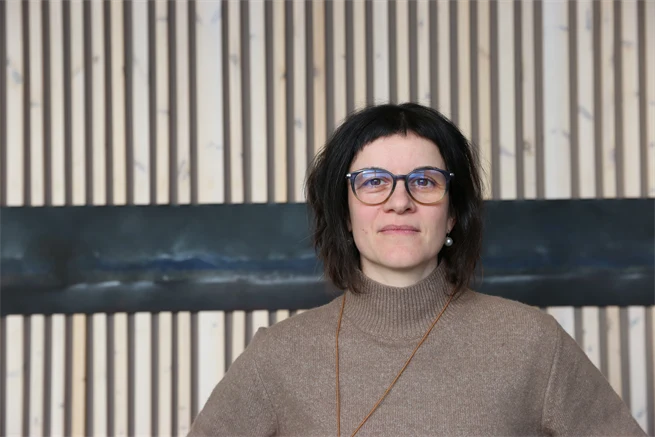
Monique Pfaltz, professor of psychology at Mid Sweden University, is the initiator of the initiative. Photo: Pelle Fredriksson, Mid Sweden University.
Interdisciplinary research will provide new answers
Answering these questions requires research that integrates biological, psychological and social perspectives – something that has so far been lacking. New methods open the door to breakthroughs: genetic analyses, AI-based knowledge synthesis and real-time measurements of social interaction make it possible to study issues that were previously out of reach.
"In the work that we have now started, we are bringing together a large number of international experts from Sweden, the Netherlands, Switzerland and the United States in psychology, genetics, psychoneuroimmunology, neuroscience and epidemiology. In addition to reducing suffering, the answers that future research can provide can also improve existing treatments and reduce the cost of care," says Monique Pfaltz.
Contact person:
Monique Pfaltz, professor of psychology at Mid Sweden University and initiator of the initiative, 010-142 83 00, monique.pfaltz@miun.se
Contact