Sami Law and Indigenous Peoples’ Rights
Research on Sami law forms part of the broader field of international Indigenous Peoples’ law. This research has been conducted within the discipline for the past 30 years.
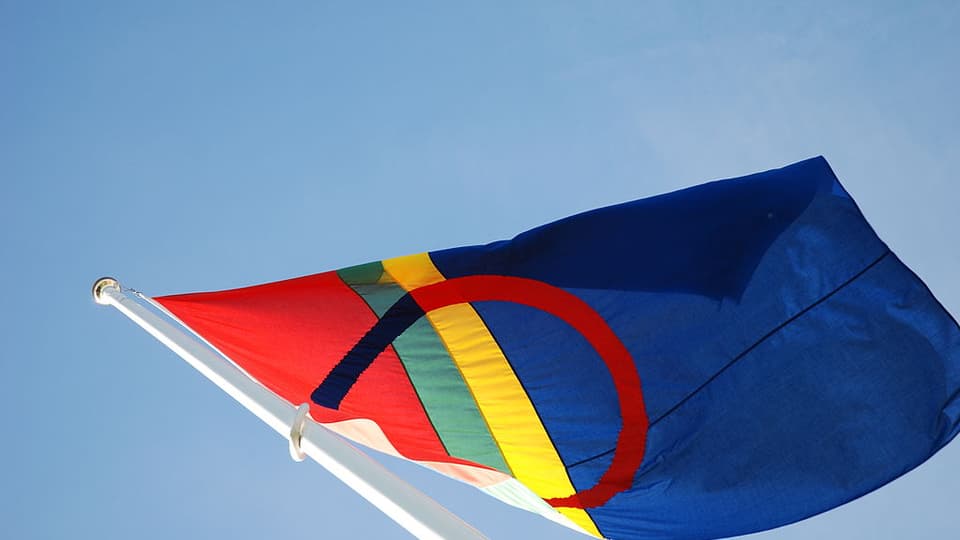
Historically, research on Sami law within the legal discipline in Sweden has primarily focused on the Sami people’s land rights, whereas research at Mid Sweden University has focused on administrative law in relation to legislation regulating the Sami people’s livelihoods and land rights.
Indigenous Peoples' Rights is a field of legal research that examines the legal status, rights, and claims of Indigenous Peoples and the legal relationships between Indigenous Peoples and states, international institutions, private actors, and other entities. The research addresses, inter alia, issues concerning land and resources, self-determination, cultural rights, and political influence. It is based on both international instruments such as ILO Convention No. 169 and the UN Declaration on the Rights of Indigenous Peoples, as well as national legislation and case law. The field is characterized by an interdisciplinary approach in which law interacts with disciplines such as political science, anthropology, and history.
Within the discipline, research includes studies of Saami children’s opportunities to learn their languages in school, examining both the legal provisions governing Saami language instruction and their practical implementation. Furthermore, the research addresses the migration rights of Saami moving across different parts of Saepmie, as well as the impact of the war in Ukraine on the rights of the Saami and Indigenous peoples in Russia.
In 2025 and 2026, the discipline of Law is organizing a symposium for early career researchers working on Indigenous issues. The symposium brings together highly qualified specialists in Indigenous Studies and early career researchers whose work focuses on Indigenous peoples. The symposium forms part of the university’s broader engagement with Indigenous issues and aims to provide a platform for discussion, knowledge exchange, and networking between early career researchers and invited speakers. It also showcases the work of the discipline of Law in the field of Saami Law, highlights the university’s role in Saami research and education, and presents its collaboration with local Saami civil society.
Contact
