Recycled handicraft‑ Sustainable material flows in Härnösand municipality
The project aims to identify experiences and insights about sustainability that the crafts education at Brännaskolan has created via reuse of materials. The work will study and map the process and material flow that enables a more sustainable use of society's resources.
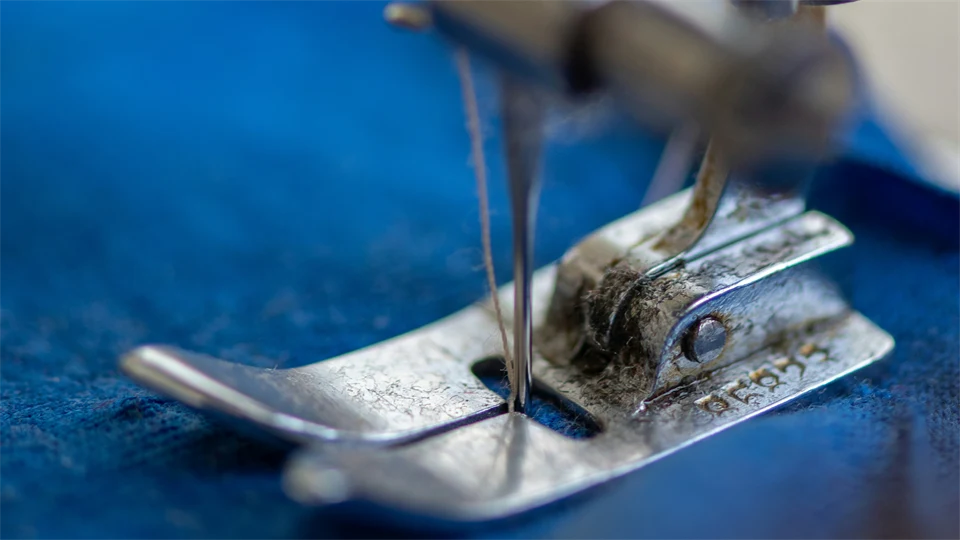
Crafts teachers Therese Eklund Rahm and Kerstin Eriksson, at Brännaskolan in Härnösand, have in an innovative and creative way changed the teaching of crafts towards a clear sustainability perspective. The teachers have developed the handicraft eduction with a focus on sustainability through reuse. This means that handicraft education at Bränna school is an interesting case to study in order to learn more and to other schools the opportunity of knowledge about sustainability and increased use of recycled materials that can be spread in a wider perspective. The teachers collaborate with Härnösand Energy and Environment (HEMAB) to make use of mainly wood, furniture and textiles for reuse. Materials that would have been burned up instead become handicrafts and replace newly produced materials. Craft education is a concrete way for students to learn about environmental and resource use through recycling, as well as understanding how a sustainable society works.
The teachers' way of using recycled materials has in several ways preceded the national development of craft education. The work has thus gained experience that can contribute with new and important knowledge for national research on both craft education and recycling, as well as for the municipality of Härnösand in its capacity as school principal. The experiences and insights the activities at Brännaskolan have created must be identified, mapped, contextualized, analyzed and finally made available in a way that enables new knowledge to be developed to contribute to continued social development.
Facts
Project period
240401—260331
Partners
Municipal cooperation
Project leader
Project members