Back‑to‑Nature Movements Across Three Waves ‑ A historical sociology inquiry for sustainable environmental transformations
Interest in self-sufficiency, rural life, and sustainable ways of living is growing in Sweden. Green Waves across Three Eras situates today’s transition movements in relation to state interests, historical power structures, and earlier green ideals.
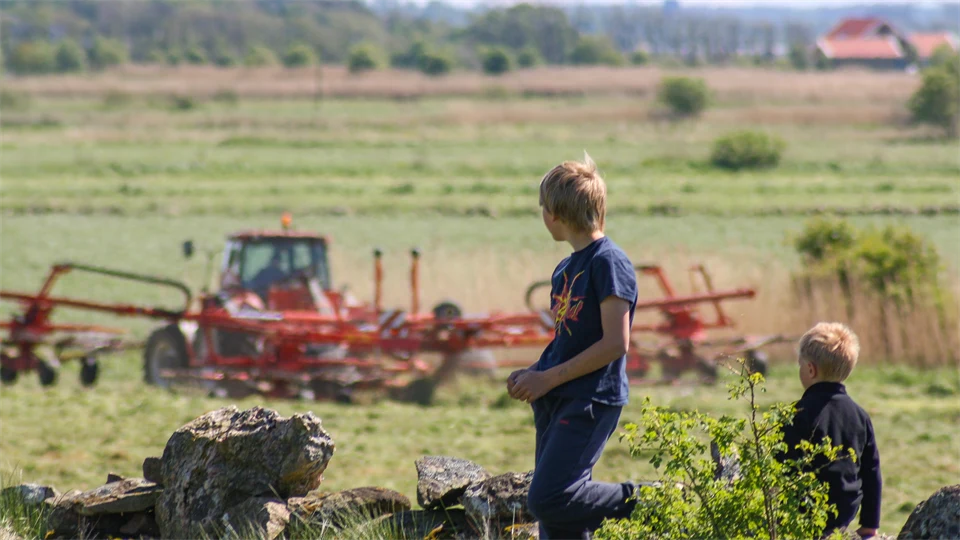
Green Waves 2.0 explores the contemporary green wave in Sweden by placing it in relation to two earlier periods of back-to-nature movements: the first in the early twentieth century and the second during the 1960s and 1970s. Using a historical-sociological perspective, the project analyses how these waves have been shaped by their specific social, political, and ideological contexts, and how they have influenced ideas about nature, rurality, and sustainable ways of living.
The project starts from the premise that green waves are not merely about individual lifestyle choices or a longing for a simpler life. Rather, they are deeply embedded in broader societal processes such as industrialisation, urbanisation, environmental crises, and state governance. The study examines how ideas of self-sufficiency, closeness to nature, and alternative forms of living have re-emerged across different historical moments, while also highlighting the blind spots that have accompanied these ideals—particularly in relation to gender, class, and settler-colonial power relations.
By comparing three waves over time, the project identifies both continuities and ruptures in how nature and the countryside have been understood and politicised. The analysis sheds light on how early green movements sometimes intersected with nationalist and colonial projects, how the environmental movements of the 1970s both challenged and reproduced social inequalities, and how today’s green wave is shaped by digitalisation, crisis preparedness, and climate anxiety.
Empirically, the project combines archival research, policy analysis, interviews, and analyses of media and cultural expressions. Through this broad material, Green Waves 2.0 contributes new knowledge on how historical experiences can inform—and critically challenge—contemporary transition movements. Ultimately, the project aims to deepen understanding of how sustainable societal transformations can become more long-term, inclusive, and socially grounded.
Facts
Project period
250901—290930
Departments
Research groups
Project leader
Project members



Funders